


I have a lot of personal issues. I am prone to procrastination, shiny new things, and distractions. I have been like that, even though I’ve been an entrepreneur and a leader for nearly two decades. Most of this time, I wasn’t in charge of my own emotions and fear; I wasn’t in charge of my lower self.
My way to cope with it was computer games and online communities, which I created and maintained since I was 16, starting with Ultima Online shards and moving on to larger communities, playing daily into the night with hundreds of players. I was basically building a big hideout for myself to run away from a specific potential.
I was running away from becoming a responsible leader in the real world, someone who faces every challenge and is willing and capable of doing what it takes to lead their own people to their potential.
I have done something relatable in online worlds, while I wasn’t actually achieving anything that mattered to who I needed to become. For me, it became clear: “unless you become a professional gaming YouTuber, streamer, journalist, or pro gamer, these activities are procrastination disguised as progress, decoration.” And it felt good; important. It looked like meaning.
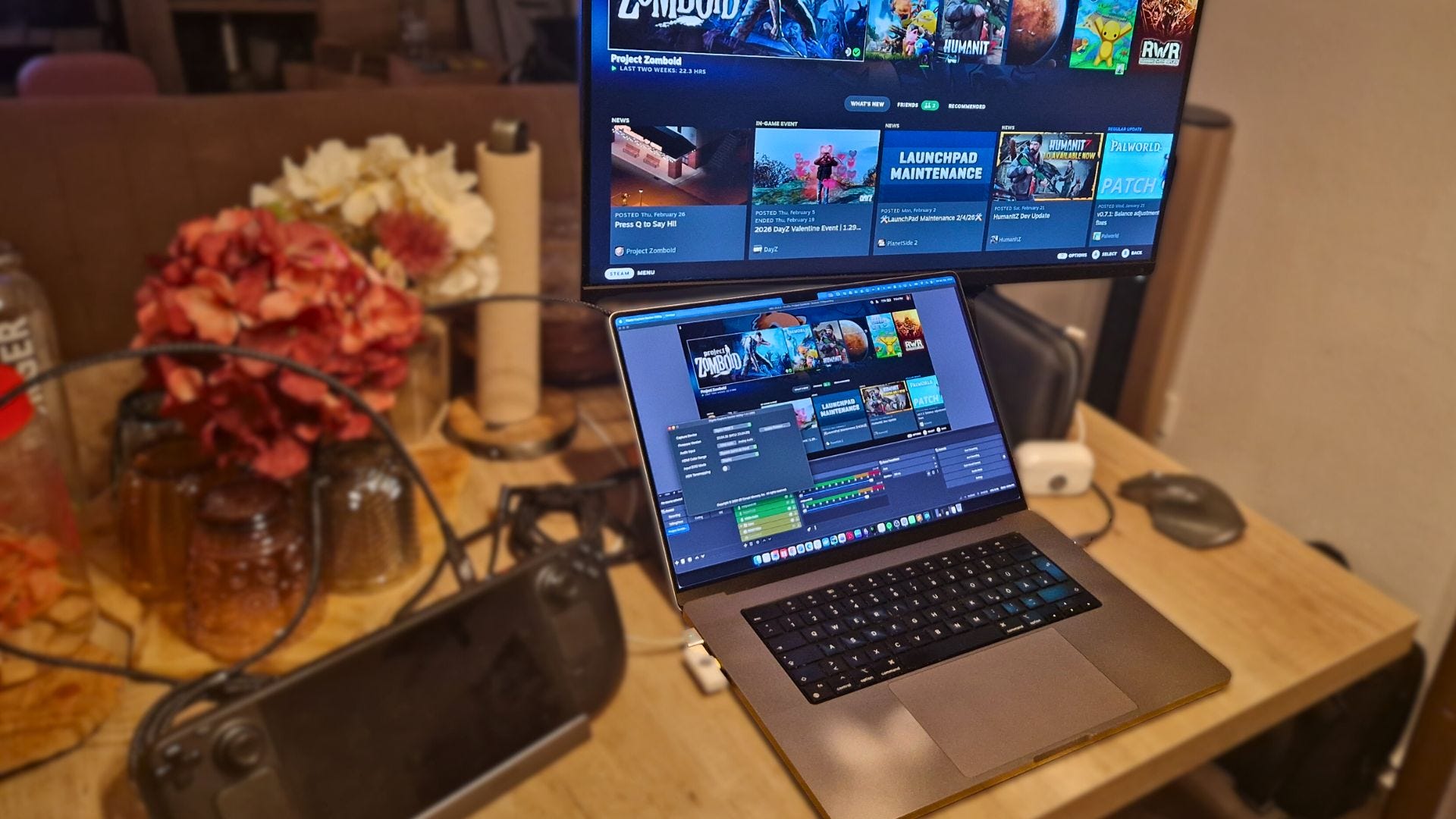
Since gaming is very common among fellow developers:
I still play games today, but I don’t use them as a hideout anymore. Sometimes I even play together with my children. The difference is the boundary: it’s recreation, not escape. And I’m determined that they won’t lose themselves in it the way I did.
About 8 years ago, things changed for me. I became a father, moved to live near the Black Forest, and we basically shifted everything to run a family well. Sounds cool, right? It was extremely stressful and life-changing for me. I suddenly had no time to lose myself in the old ways.
My inner Resistance was raging and throwing everything against me. It was a time of sleepless nights, exhaustion, and anxiety.
But this was the first time in my life in which I actually started to have deep discussions with a real human being on a regular basis, my wife Jennifer. That was the first time I really thought about what was, is, and will be. Reflection. Not really acceptance, but I started to understand.
This was around the time I got into two philosophies that work very well together and actually have the same thought models.
Steven Pressfield’s “The War of Art” with the idea of the Turning Pro moment; do your work and fight Resistance (capital “R”, he always made it an entity), and follow the Muses.
“The amateur plays for fun. The professional plays for keeps.” – Steven Pressfield, The War of Art
The ancient Stoics, or Stoicism: control what you can, become indifferent about what you cannot control, and build the wisdom to understand the difference. This was so touching for me, since it was close to the Serenity Prayer, while my childhood was tainted by alcoholism, an old burden I started to address in this moment as well.
So these three components, Jennifer, Steven, and the Stoics, were life-changing for me.
In my early streams and articles, I referred to Steven Pressfield a lot, but over time, Stoicism became the real practical philosophy I adopted.
The Stoic morning and evening reflection became my daily routine. I created my content there, many articles and many more videos. Those were a representation of what I was dealing with during that time: the challenges, the problems, and the experiences with people.
“No man is free who is not master of himself.” – Epictetus
Many things never made it into my articles or videos, since virtues are important to me. I have many negative, even disturbing thoughts about many people, but I keep them to myself and use them to practise indifference, the state of tranquility, or what I would actually call happiness.
By doing that, Stoicism became my new daily structure. I wasn’t playing computer games at all anymore by that time. I was totally focused on making progress. That was also the time I intensified mentorings and tech fellowships, especially for CTOs. I was known as “snackable CTO”, and this is how YouTube and Substack started back then as well.
About a year ago, after years of reflection, failure, and learning, I began to gain clarity about my own purpose. After having my own Turning Pro moment, or the rebirth as the Stoics say, I finally understood my actual purpose. I had clarity. I was certain. I saw the same signals every day for months.
“Begin at once to live, and count each separate day as a separate life.”
Seneca – From Letters to Lucilius.
I wasn’t the lower-self gaming introvert hiding himself, living a half-true life of entrepreneurship as a software developer.
I was learning discipline, failing often, trying again.
I was practicing virtue, imperfectly, but consistently.
I was becoming worth being amongst others, on the days I did the work.
For the most part, I was in control of my emotions. I was steering the ship and constantly following the same potential.
I was becoming aligned.
I was finding who I was supposed to be.
I was being reborn—slowly, daily, imperfectly.
That’s when I started to talk slowly but steadily about philosophy and, later, Stoicism.
I integrated Stoic ideas into mentorships and CTO fellowships. Insecure at first about whether people would actually accept it, since the world doesn’t seem prepared for it, an ancient practice and philosophy in the modern tech world. But I was wrong.
It turned out to be exactly what they needed.
In a world full of stress, noise, haste, and built-up anxieties, tech people tend to lose themselves in a unique grinder between tensions we cannot control.
Many of the tech leads I was working with were running away from something, building their safe spaces, and actively developing coping mechanisms, instead of taking control of their own actions and reactions, accepting that there are things they cannot change but can control what they do about it.
To my surprise, people started to journal, reflect, and accept who they are, and what kind of situation they might be in: the staff engineer who is afraid of losing their job, the CTO being totally alone and stressed out in a large migration between two big US companies, or the newly promoted engineering manager who is supposed to build a government app in a year as their first project with real responsibility.
Many focused on things outside their control—the same trap I’d been in. Many were distracted by the many things they were afraid of, or by the coming months, when something bad could happen.
We turned that into: let it happen. Focus on today, because we can change something about the future today. By doing so, we got back to controlling ourselves today, and by doing so, we influenced the people around us in a way that made the future much better than anticipated.
From snackableCTO to Stoic Tech Lead, why I use “Stoic” today
Stoics never called themselves Stoics. I did not for most of the time. The battlefield is your own mind. The enemy sits in yourself, disguised as the friendly supportive voice, the force that generates the most disturbing thoughts; the voice we need to accept is part of us, the voice our job is to control. I was too busy fighting that war.
But the changes in the last three years, by practising Stoicism with high discipline, were so magnificent for me, and the results of adopting its ideas were so real, that I decided to start speaking about it as a Stoic person.
Instead of just referring to it, I aligned it with the four leadership traits:
I. Credibility
II. Role Model
III. Mission & Vision
IV. Challenge
Using “Stoic” in your name makes it easier to align with each of them, refer to them, and explain them. I’ve found that most tech leadership challenges I’ve encountered can be addressed through self-discipline, commitment, and virtuous reflection.
The term “Stoic” helps explain what it’s about and, in a credible way, refers to a practical philosophy that has existed for centuries and is practised more than ever before. I want to be a role model for others. That is part of my found purpose and of being a leader, anyway. Being a possible role model for people willing to take up Stoicism to practise self-discipline became logical to me in a world with social media, something the ancients did not have.
In fact, the “Stoa”, the name-giving place where ancient Greek philosophers met to debate how to become better and live virtuous lives, isn’t much different from mentoring or public debates on Substack, LinkedIn, or on streams.
Even though I would fit more into the category of a “Neo-Stoic”, I pretty much like the old ways of “disciplina”, the idea of the “discipulus”; the way of phrasing that we are the pupil who wants to learn and is looking for learning, debates, and advice. That is what discipline is actually about, and I couldn’t reach my potential without it. I haven’t seen others reach theirs without something similar.

What’s next?
So, I continue my journey amongst so many fine souls in the tech industry, creating software and apps, fixing bugs, and living the weird, tedious, yet fascinating, fast-paced life of a developer. But I will do whatever I can to become a beacon for the people who struggle there and have lost the joy they once had.
Let’s debate and take the challenge together to make this world a better one, not only ourselves.
Thanks for reading. Appreciate your patience.
—Adrian
True leadership often begins with mastering ourselves before trying to lead others